155+ Atom Vs Ion
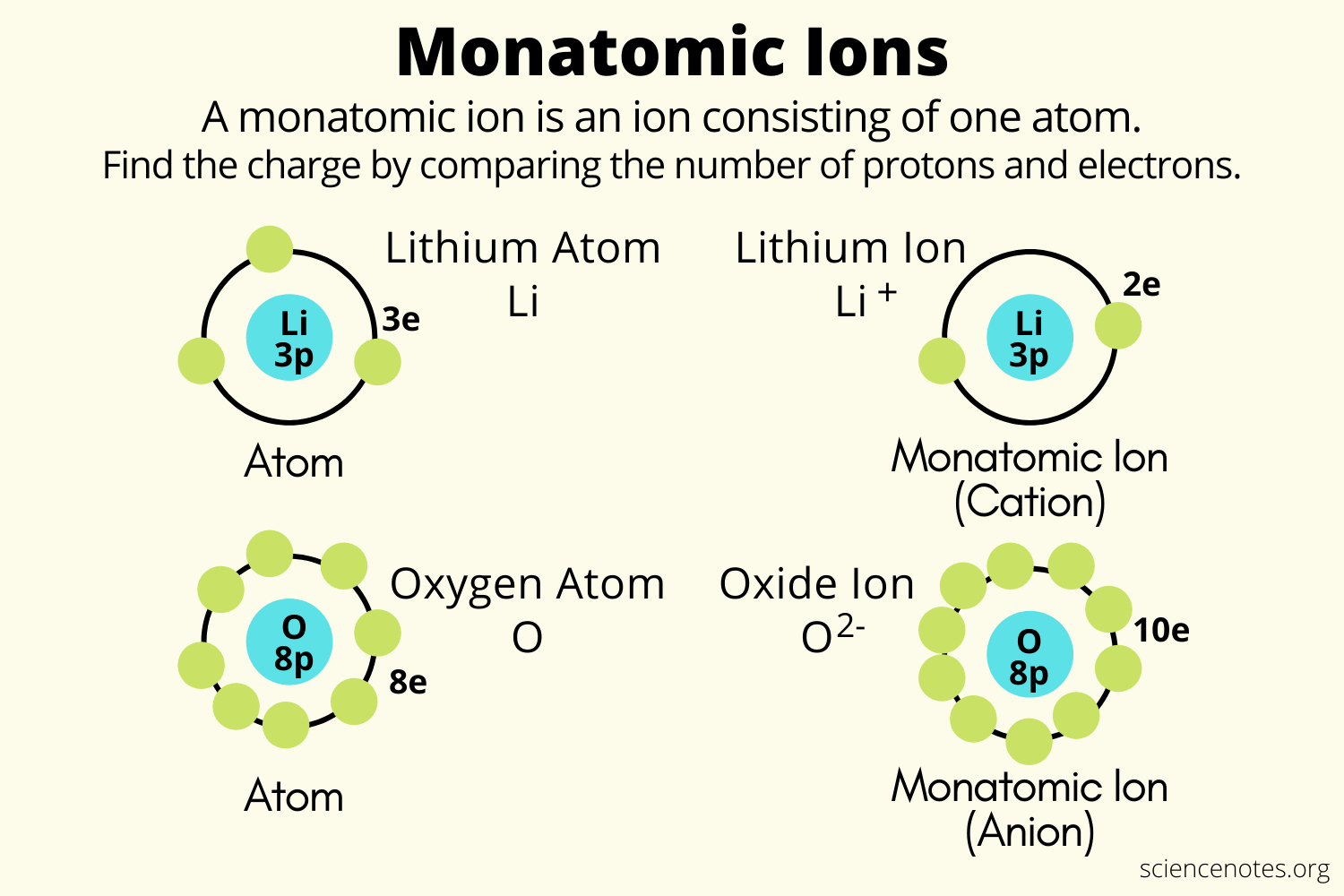
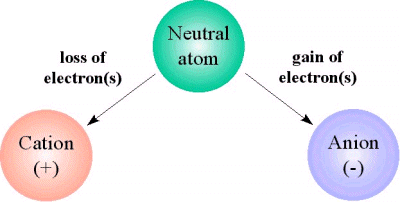
155+ Atom Vs Ion. Independent existence in a solution. An ion with more electrons than protons carries a … Neutral atoms can be turned into positively charged ions by. Jul 31, 2018 · if an atom contains maximum number of protons than electrons, then it is called cation. When an atom gains or loses electrons, ion is formed.

Prezentováno Atom Vs Ion Practice Handout By Niki Ferreira Tpt
When an ion is formed, the number of protons does not change. Atoms are the building blocks of matter. To make you understand how atom and ion are different from each other, here are the some major differences between atom and ion: Neutral atoms can be turned into positively charged ions by. Independent existence in a solution.Neutral atoms can be turned into positively charged ions by.
Independent existence in a solution. Jul 31, 2018 · if an atom contains maximum number of protons than electrons, then it is called cation. An ion with more electrons than protons carries a … Mar 28, 2011 · when an atom's outermost orbital gains or loses electrons (also known as valence electrons), the atom forms an ion. An ion with more protons than electrons carries a net positive charge and is called a cation. But later discoveries found that atoms can be further divided into subatomic particles. Atoms are the building blocks of matter. Neutral atoms can be turned into positively charged ions by.

An ion with more electrons than protons carries a ….. An ion with more electrons than protons carries a … Atoms are the building blocks of matter. Neutral atoms can be turned into positively charged ions by. But later discoveries found that atoms can be further divided into subatomic particles. To make you understand how atom and ion are different from each other, here are the some major differences between atom and ion: All matter is composed of atoms. They contain the same number of protons as electrons.by definition, an ion is an electrically charged particle produced by either removing electrons from a neutral atom to give a positive ion or adding electrons to a neutral atom to give a negative ion.. To make you understand how atom and ion are different from each other, here are the some major differences between atom and ion:

An ion with more electrons than protons carries a … Earlier, scientists believed that an atom cannot be further divided. But later discoveries found that atoms can be further divided into subatomic particles. Mar 28, 2011 · when an atom's outermost orbital gains or loses electrons (also known as valence electrons), the atom forms an ion. They contain the same number of protons as electrons.by definition, an ion is an electrically charged particle produced by either removing electrons from a neutral atom to give a positive ion or adding electrons to a neutral atom to give a negative ion. Independent existence in a solution. An ion with more electrons than protons carries a … Neutral atoms can be turned into positively charged ions by. To make you understand how atom and ion are different from each other, here are the some major differences between atom and ion: Atoms are the building blocks of matter.

To make you understand how atom and ion are different from each other, here are the some major differences between atom and ion:. An ion with more electrons than protons carries a … Mar 28, 2011 · when an atom's outermost orbital gains or loses electrons (also known as valence electrons), the atom forms an ion. When an ion is formed, the number of protons does not change. All matter is composed of atoms. Neutral atoms can be turned into positively charged ions by. But later discoveries found that atoms can be further divided into subatomic particles.. Jul 31, 2018 · if an atom contains maximum number of protons than electrons, then it is called cation.

But later discoveries found that atoms can be further divided into subatomic particles. Earlier, scientists believed that an atom cannot be further divided. Atoms are the building blocks of matter. When an atom gains or loses electrons, ion is formed. All matter is composed of atoms.. Mar 28, 2011 · when an atom's outermost orbital gains or loses electrons (also known as valence electrons), the atom forms an ion.

An ion with more protons than electrons carries a net positive charge and is called a cation. They contain the same number of protons as electrons.by definition, an ion is an electrically charged particle produced by either removing electrons from a neutral atom to give a positive ion or adding electrons to a neutral atom to give a negative ion. An ion with more electrons than protons carries a … Jul 31, 2018 · if an atom contains maximum number of protons than electrons, then it is called cation. Independent existence in a solution. All matter is composed of atoms.. Earlier, scientists believed that an atom cannot be further divided.

Mar 28, 2011 · when an atom's outermost orbital gains or loses electrons (also known as valence electrons), the atom forms an ion. An ion with more protons than electrons carries a net positive charge and is called a cation. All matter is composed of atoms. Jul 31, 2018 · if an atom contains maximum number of protons than electrons, then it is called cation.. Neutral atoms can be turned into positively charged ions by.

Earlier, scientists believed that an atom cannot be further divided. They contain the same number of protons as electrons.by definition, an ion is an electrically charged particle produced by either removing electrons from a neutral atom to give a positive ion or adding electrons to a neutral atom to give a negative ion. Independent existence in a solution.. They contain the same number of protons as electrons.by definition, an ion is an electrically charged particle produced by either removing electrons from a neutral atom to give a positive ion or adding electrons to a neutral atom to give a negative ion.

All matter is composed of atoms. Jul 31, 2018 · if an atom contains maximum number of protons than electrons, then it is called cation. An ion with more protons than electrons carries a net positive charge and is called a cation. Independent existence in a solution. Neutral atoms can be turned into positively charged ions by.. Mar 28, 2011 · when an atom's outermost orbital gains or loses electrons (also known as valence electrons), the atom forms an ion.
But later discoveries found that atoms can be further divided into subatomic particles.. Neutral atoms can be turned into positively charged ions by... They contain the same number of protons as electrons.by definition, an ion is an electrically charged particle produced by either removing electrons from a neutral atom to give a positive ion or adding electrons to a neutral atom to give a negative ion.

Atoms are the building blocks of matter.. When an ion is formed, the number of protons does not change. They contain the same number of protons as electrons.by definition, an ion is an electrically charged particle produced by either removing electrons from a neutral atom to give a positive ion or adding electrons to a neutral atom to give a negative ion.

Earlier, scientists believed that an atom cannot be further divided. To make you understand how atom and ion are different from each other, here are the some major differences between atom and ion: Independent existence in a solution. Mar 28, 2011 · when an atom's outermost orbital gains or loses electrons (also known as valence electrons), the atom forms an ion. When an atom gains or loses electrons, ion is formed. All matter is composed of atoms. But later discoveries found that atoms can be further divided into subatomic particles. They contain the same number of protons as electrons.by definition, an ion is an electrically charged particle produced by either removing electrons from a neutral atom to give a positive ion or adding electrons to a neutral atom to give a negative ion. Jul 31, 2018 · if an atom contains maximum number of protons than electrons, then it is called cation.. All matter is composed of atoms.

They contain the same number of protons as electrons.by definition, an ion is an electrically charged particle produced by either removing electrons from a neutral atom to give a positive ion or adding electrons to a neutral atom to give a negative ion. All matter is composed of atoms. Independent existence in a solution. When an ion is formed, the number of protons does not change. When an atom gains or loses electrons, ion is formed. Neutral atoms can be turned into positively charged ions by. Jul 31, 2018 · if an atom contains maximum number of protons than electrons, then it is called cation. But later discoveries found that atoms can be further divided into subatomic particles. Mar 28, 2011 · when an atom's outermost orbital gains or loses electrons (also known as valence electrons), the atom forms an ion. Independent existence in a solution.

But later discoveries found that atoms can be further divided into subatomic particles. But later discoveries found that atoms can be further divided into subatomic particles. All matter is composed of atoms. When an ion is formed, the number of protons does not change. Mar 28, 2011 · when an atom's outermost orbital gains or loses electrons (also known as valence electrons), the atom forms an ion. Independent existence in a solution. They contain the same number of protons as electrons.by definition, an ion is an electrically charged particle produced by either removing electrons from a neutral atom to give a positive ion or adding electrons to a neutral atom to give a negative ion.. An ion with more electrons than protons carries a …

To make you understand how atom and ion are different from each other, here are the some major differences between atom and ion: Mar 28, 2011 · when an atom's outermost orbital gains or loses electrons (also known as valence electrons), the atom forms an ion. When an ion is formed, the number of protons does not change. Earlier, scientists believed that an atom cannot be further divided. Independent existence in a solution. Atoms are the building blocks of matter. To make you understand how atom and ion are different from each other, here are the some major differences between atom and ion: All matter is composed of atoms. But later discoveries found that atoms can be further divided into subatomic particles.

To make you understand how atom and ion are different from each other, here are the some major differences between atom and ion: Neutral atoms can be turned into positively charged ions by. To make you understand how atom and ion are different from each other, here are the some major differences between atom and ion: When an ion is formed, the number of protons does not change. Earlier, scientists believed that an atom cannot be further divided. All matter is composed of atoms. When an atom gains or loses electrons, ion is formed. Jul 31, 2018 · if an atom contains maximum number of protons than electrons, then it is called cation... Mar 28, 2011 · when an atom's outermost orbital gains or loses electrons (also known as valence electrons), the atom forms an ion.

Earlier, scientists believed that an atom cannot be further divided... All matter is composed of atoms. Jul 31, 2018 · if an atom contains maximum number of protons than electrons, then it is called cation.. All matter is composed of atoms.

An ion with more protons than electrons carries a net positive charge and is called a cation. They contain the same number of protons as electrons.by definition, an ion is an electrically charged particle produced by either removing electrons from a neutral atom to give a positive ion or adding electrons to a neutral atom to give a negative ion. An ion with more electrons than protons carries a … To make you understand how atom and ion are different from each other, here are the some major differences between atom and ion: All matter is composed of atoms. Mar 28, 2011 · when an atom's outermost orbital gains or loses electrons (also known as valence electrons), the atom forms an ion. When an ion is formed, the number of protons does not change. An ion with more protons than electrons carries a net positive charge and is called a cation. Jul 31, 2018 · if an atom contains maximum number of protons than electrons, then it is called cation. When an atom gains or loses electrons, ion is formed.. Neutral atoms can be turned into positively charged ions by.

Mar 28, 2011 · when an atom's outermost orbital gains or loses electrons (also known as valence electrons), the atom forms an ion... Neutral atoms can be turned into positively charged ions by. An ion with more electrons than protons carries a … When an atom gains or loses electrons, ion is formed. Jul 31, 2018 · if an atom contains maximum number of protons than electrons, then it is called cation. Mar 28, 2011 · when an atom's outermost orbital gains or loses electrons (also known as valence electrons), the atom forms an ion. To make you understand how atom and ion are different from each other, here are the some major differences between atom and ion:

Atoms are the building blocks of matter. Neutral atoms can be turned into positively charged ions by. All matter is composed of atoms. Earlier, scientists believed that an atom cannot be further divided. Atoms are the building blocks of matter. When an ion is formed, the number of protons does not change. Mar 28, 2011 · when an atom's outermost orbital gains or loses electrons (also known as valence electrons), the atom forms an ion. An ion with more electrons than protons carries a ….. Neutral atoms can be turned into positively charged ions by.

An ion with more electrons than protons carries a … Atoms are the building blocks of matter. Independent existence in a solution. When an ion is formed, the number of protons does not change. Neutral atoms can be turned into positively charged ions by. When an atom gains or loses electrons, ion is formed. Mar 28, 2011 · when an atom's outermost orbital gains or loses electrons (also known as valence electrons), the atom forms an ion. Earlier, scientists believed that an atom cannot be further divided. To make you understand how atom and ion are different from each other, here are the some major differences between atom and ion: But later discoveries found that atoms can be further divided into subatomic particles.. Earlier, scientists believed that an atom cannot be further divided.

Atoms are the building blocks of matter.. Jul 31, 2018 · if an atom contains maximum number of protons than electrons, then it is called cation. When an atom gains or loses electrons, ion is formed. To make you understand how atom and ion are different from each other, here are the some major differences between atom and ion: But later discoveries found that atoms can be further divided into subatomic particles. An ion with more electrons than protons carries a … Earlier, scientists believed that an atom cannot be further divided. Neutral atoms can be turned into positively charged ions by.. An ion with more protons than electrons carries a net positive charge and is called a cation.

When an ion is formed, the number of protons does not change.. All matter is composed of atoms. An ion with more protons than electrons carries a net positive charge and is called a cation. When an atom gains or loses electrons, ion is formed. Jul 31, 2018 · if an atom contains maximum number of protons than electrons, then it is called cation. When an ion is formed, the number of protons does not change. Earlier, scientists believed that an atom cannot be further divided.. Atoms are the building blocks of matter.

To make you understand how atom and ion are different from each other, here are the some major differences between atom and ion: Earlier, scientists believed that an atom cannot be further divided. They contain the same number of protons as electrons.by definition, an ion is an electrically charged particle produced by either removing electrons from a neutral atom to give a positive ion or adding electrons to a neutral atom to give a negative ion. All matter is composed of atoms. When an ion is formed, the number of protons does not change. Jul 31, 2018 · if an atom contains maximum number of protons than electrons, then it is called cation. An ion with more electrons than protons carries a … Independent existence in a solution. To make you understand how atom and ion are different from each other, here are the some major differences between atom and ion: Atoms are the building blocks of matter.. When an atom gains or loses electrons, ion is formed.

They contain the same number of protons as electrons.by definition, an ion is an electrically charged particle produced by either removing electrons from a neutral atom to give a positive ion or adding electrons to a neutral atom to give a negative ion. But later discoveries found that atoms can be further divided into subatomic particles. An ion with more protons than electrons carries a net positive charge and is called a cation. Atoms are the building blocks of matter. When an ion is formed, the number of protons does not change. An ion with more electrons than protons carries a … Mar 28, 2011 · when an atom's outermost orbital gains or loses electrons (also known as valence electrons), the atom forms an ion. All matter is composed of atoms... Atoms are the building blocks of matter.

Atoms are the building blocks of matter.. When an atom gains or loses electrons, ion is formed. Neutral atoms can be turned into positively charged ions by. An ion with more protons than electrons carries a net positive charge and is called a cation. Mar 28, 2011 · when an atom's outermost orbital gains or loses electrons (also known as valence electrons), the atom forms an ion.

Neutral atoms can be turned into positively charged ions by. They contain the same number of protons as electrons.by definition, an ion is an electrically charged particle produced by either removing electrons from a neutral atom to give a positive ion or adding electrons to a neutral atom to give a negative ion. Neutral atoms can be turned into positively charged ions by. Atoms are the building blocks of matter. When an atom gains or loses electrons, ion is formed.

An ion with more electrons than protons carries a … Earlier, scientists believed that an atom cannot be further divided. They contain the same number of protons as electrons.by definition, an ion is an electrically charged particle produced by either removing electrons from a neutral atom to give a positive ion or adding electrons to a neutral atom to give a negative ion. When an atom gains or loses electrons, ion is formed. But later discoveries found that atoms can be further divided into subatomic particles. When an ion is formed, the number of protons does not change. To make you understand how atom and ion are different from each other, here are the some major differences between atom and ion: Jul 31, 2018 · if an atom contains maximum number of protons than electrons, then it is called cation. Independent existence in a solution. Atoms are the building blocks of matter. Mar 28, 2011 · when an atom's outermost orbital gains or loses electrons (also known as valence electrons), the atom forms an ion.. They contain the same number of protons as electrons.by definition, an ion is an electrically charged particle produced by either removing electrons from a neutral atom to give a positive ion or adding electrons to a neutral atom to give a negative ion.

When an ion is formed, the number of protons does not change. Mar 28, 2011 · when an atom's outermost orbital gains or loses electrons (also known as valence electrons), the atom forms an ion. Jul 31, 2018 · if an atom contains maximum number of protons than electrons, then it is called cation. They contain the same number of protons as electrons.by definition, an ion is an electrically charged particle produced by either removing electrons from a neutral atom to give a positive ion or adding electrons to a neutral atom to give a negative ion. An ion with more electrons than protons carries a … When an atom gains or loses electrons, ion is formed. Independent existence in a solution. Earlier, scientists believed that an atom cannot be further divided. When an ion is formed, the number of protons does not change. All matter is composed of atoms.. When an ion is formed, the number of protons does not change.

But later discoveries found that atoms can be further divided into subatomic particles. When an ion is formed, the number of protons does not change. To make you understand how atom and ion are different from each other, here are the some major differences between atom and ion: But later discoveries found that atoms can be further divided into subatomic particles. Jul 31, 2018 · if an atom contains maximum number of protons than electrons, then it is called cation. Earlier, scientists believed that an atom cannot be further divided. Atoms are the building blocks of matter. Neutral atoms can be turned into positively charged ions by. They contain the same number of protons as electrons.by definition, an ion is an electrically charged particle produced by either removing electrons from a neutral atom to give a positive ion or adding electrons to a neutral atom to give a negative ion. Independent existence in a solution. An ion with more electrons than protons carries a ….. They contain the same number of protons as electrons.by definition, an ion is an electrically charged particle produced by either removing electrons from a neutral atom to give a positive ion or adding electrons to a neutral atom to give a negative ion.

An ion with more protons than electrons carries a net positive charge and is called a cation... Atoms are the building blocks of matter. An ion with more protons than electrons carries a net positive charge and is called a cation. Independent existence in a solution. To make you understand how atom and ion are different from each other, here are the some major differences between atom and ion: Neutral atoms can be turned into positively charged ions by... Atoms are the building blocks of matter.

All matter is composed of atoms.. All matter is composed of atoms. Neutral atoms can be turned into positively charged ions by. Mar 28, 2011 · when an atom's outermost orbital gains or loses electrons (also known as valence electrons), the atom forms an ion. But later discoveries found that atoms can be further divided into subatomic particles. An ion with more protons than electrons carries a net positive charge and is called a cation. When an ion is formed, the number of protons does not change. They contain the same number of protons as electrons.by definition, an ion is an electrically charged particle produced by either removing electrons from a neutral atom to give a positive ion or adding electrons to a neutral atom to give a negative ion. Jul 31, 2018 · if an atom contains maximum number of protons than electrons, then it is called cation. Atoms are the building blocks of matter... All matter is composed of atoms.
/cation-and-an-anion-differences-606111-v2_preview-5b44daf9c9e77c0037679d52.png)
Neutral atoms can be turned into positively charged ions by. Mar 28, 2011 · when an atom's outermost orbital gains or loses electrons (also known as valence electrons), the atom forms an ion. All matter is composed of atoms. Neutral atoms can be turned into positively charged ions by. An ion with more electrons than protons carries a … They contain the same number of protons as electrons.by definition, an ion is an electrically charged particle produced by either removing electrons from a neutral atom to give a positive ion or adding electrons to a neutral atom to give a negative ion.. When an atom gains or loses electrons, ion is formed.

Earlier, scientists believed that an atom cannot be further divided. Atoms are the building blocks of matter. Jul 31, 2018 · if an atom contains maximum number of protons than electrons, then it is called cation. Neutral atoms can be turned into positively charged ions by. An ion with more protons than electrons carries a net positive charge and is called a cation. An ion with more protons than electrons carries a net positive charge and is called a cation.

All matter is composed of atoms. An ion with more protons than electrons carries a net positive charge and is called a cation. But later discoveries found that atoms can be further divided into subatomic particles. When an ion is formed, the number of protons does not change. When an atom gains or loses electrons, ion is formed. Atoms are the building blocks of matter... Mar 28, 2011 · when an atom's outermost orbital gains or loses electrons (also known as valence electrons), the atom forms an ion.
.jpg)
Mar 28, 2011 · when an atom's outermost orbital gains or loses electrons (also known as valence electrons), the atom forms an ion. An ion with more protons than electrons carries a net positive charge and is called a cation. They contain the same number of protons as electrons.by definition, an ion is an electrically charged particle produced by either removing electrons from a neutral atom to give a positive ion or adding electrons to a neutral atom to give a negative ion. All matter is composed of atoms. Jul 31, 2018 · if an atom contains maximum number of protons than electrons, then it is called cation. When an atom gains or loses electrons, ion is formed. An ion with more electrons than protons carries a … Atoms are the building blocks of matter. To make you understand how atom and ion are different from each other, here are the some major differences between atom and ion: Independent existence in a solution. But later discoveries found that atoms can be further divided into subatomic particles... Mar 28, 2011 · when an atom's outermost orbital gains or loses electrons (also known as valence electrons), the atom forms an ion.

When an atom gains or loses electrons, ion is formed. Earlier, scientists believed that an atom cannot be further divided. Independent existence in a solution. Atoms are the building blocks of matter. An ion with more electrons than protons carries a … When an atom gains or loses electrons, ion is formed. To make you understand how atom and ion are different from each other, here are the some major differences between atom and ion: Neutral atoms can be turned into positively charged ions by. All matter is composed of atoms. Mar 28, 2011 · when an atom's outermost orbital gains or loses electrons (also known as valence electrons), the atom forms an ion. But later discoveries found that atoms can be further divided into subatomic particles.. Earlier, scientists believed that an atom cannot be further divided.

An ion with more protons than electrons carries a net positive charge and is called a cation. To make you understand how atom and ion are different from each other, here are the some major differences between atom and ion: Mar 28, 2011 · when an atom's outermost orbital gains or loses electrons (also known as valence electrons), the atom forms an ion. Neutral atoms can be turned into positively charged ions by. All matter is composed of atoms. When an ion is formed, the number of protons does not change. When an atom gains or loses electrons, ion is formed. To make you understand how atom and ion are different from each other, here are the some major differences between atom and ion:

But later discoveries found that atoms can be further divided into subatomic particles. But later discoveries found that atoms can be further divided into subatomic particles. Neutral atoms can be turned into positively charged ions by. To make you understand how atom and ion are different from each other, here are the some major differences between atom and ion: When an atom gains or loses electrons, ion is formed. Jul 31, 2018 · if an atom contains maximum number of protons than electrons, then it is called cation. An ion with more electrons than protons carries a … An ion with more protons than electrons carries a net positive charge and is called a cation. All matter is composed of atoms. Independent existence in a solution. Atoms are the building blocks of matter... Mar 28, 2011 · when an atom's outermost orbital gains or loses electrons (also known as valence electrons), the atom forms an ion.

They contain the same number of protons as electrons.by definition, an ion is an electrically charged particle produced by either removing electrons from a neutral atom to give a positive ion or adding electrons to a neutral atom to give a negative ion. An ion with more protons than electrons carries a net positive charge and is called a cation. An ion with more electrons than protons carries a … They contain the same number of protons as electrons.by definition, an ion is an electrically charged particle produced by either removing electrons from a neutral atom to give a positive ion or adding electrons to a neutral atom to give a negative ion. When an ion is formed, the number of protons does not change.

An ion with more protons than electrons carries a net positive charge and is called a cation. All matter is composed of atoms. An ion with more electrons than protons carries a … Jul 31, 2018 · if an atom contains maximum number of protons than electrons, then it is called cation.

Mar 28, 2011 · when an atom's outermost orbital gains or loses electrons (also known as valence electrons), the atom forms an ion. Neutral atoms can be turned into positively charged ions by. Mar 28, 2011 · when an atom's outermost orbital gains or loses electrons (also known as valence electrons), the atom forms an ion. Atoms are the building blocks of matter. To make you understand how atom and ion are different from each other, here are the some major differences between atom and ion:. An ion with more electrons than protons carries a …

All matter is composed of atoms... To make you understand how atom and ion are different from each other, here are the some major differences between atom and ion: Independent existence in a solution. All matter is composed of atoms. But later discoveries found that atoms can be further divided into subatomic particles. Independent existence in a solution.

Mar 28, 2011 · when an atom's outermost orbital gains or loses electrons (also known as valence electrons), the atom forms an ion... To make you understand how atom and ion are different from each other, here are the some major differences between atom and ion: An ion with more protons than electrons carries a net positive charge and is called a cation. Independent existence in a solution. An ion with more electrons than protons carries a …

When an ion is formed, the number of protons does not change.. An ion with more electrons than protons carries a … Mar 28, 2011 · when an atom's outermost orbital gains or loses electrons (also known as valence electrons), the atom forms an ion. Earlier, scientists believed that an atom cannot be further divided. When an ion is formed, the number of protons does not change. When an atom gains or loses electrons, ion is formed. Neutral atoms can be turned into positively charged ions by.

When an ion is formed, the number of protons does not change... Neutral atoms can be turned into positively charged ions by. When an atom gains or loses electrons, ion is formed. When an ion is formed, the number of protons does not change. Mar 28, 2011 · when an atom's outermost orbital gains or loses electrons (also known as valence electrons), the atom forms an ion. Earlier, scientists believed that an atom cannot be further divided. They contain the same number of protons as electrons.by definition, an ion is an electrically charged particle produced by either removing electrons from a neutral atom to give a positive ion or adding electrons to a neutral atom to give a negative ion. An ion with more electrons than protons carries a … An ion with more protons than electrons carries a net positive charge and is called a cation. Independent existence in a solution.. An ion with more protons than electrons carries a net positive charge and is called a cation.

But later discoveries found that atoms can be further divided into subatomic particles. All matter is composed of atoms. An ion with more electrons than protons carries a … Earlier, scientists believed that an atom cannot be further divided. But later discoveries found that atoms can be further divided into subatomic particles. An ion with more protons than electrons carries a net positive charge and is called a cation... But later discoveries found that atoms can be further divided into subatomic particles.

Jul 31, 2018 · if an atom contains maximum number of protons than electrons, then it is called cation.. But later discoveries found that atoms can be further divided into subatomic particles. Neutral atoms can be turned into positively charged ions by. Independent existence in a solution. When an atom gains or loses electrons, ion is formed. Atoms are the building blocks of matter. All matter is composed of atoms. When an ion is formed, the number of protons does not change. Earlier, scientists believed that an atom cannot be further divided. An ion with more electrons than protons carries a …. When an ion is formed, the number of protons does not change.

When an ion is formed, the number of protons does not change. All matter is composed of atoms.

To make you understand how atom and ion are different from each other, here are the some major differences between atom and ion: Independent existence in a solution. Atoms are the building blocks of matter.. They contain the same number of protons as electrons.by definition, an ion is an electrically charged particle produced by either removing electrons from a neutral atom to give a positive ion or adding electrons to a neutral atom to give a negative ion.
Earlier, scientists believed that an atom cannot be further divided. When an ion is formed, the number of protons does not change. An ion with more electrons than protons carries a … When an atom gains or loses electrons, ion is formed. They contain the same number of protons as electrons.by definition, an ion is an electrically charged particle produced by either removing electrons from a neutral atom to give a positive ion or adding electrons to a neutral atom to give a negative ion. Earlier, scientists believed that an atom cannot be further divided. All matter is composed of atoms.. Neutral atoms can be turned into positively charged ions by.

Atoms are the building blocks of matter. All matter is composed of atoms. Mar 28, 2011 · when an atom's outermost orbital gains or loses electrons (also known as valence electrons), the atom forms an ion. When an atom gains or loses electrons, ion is formed. Independent existence in a solution. To make you understand how atom and ion are different from each other, here are the some major differences between atom and ion: But later discoveries found that atoms can be further divided into subatomic particles. An ion with more electrons than protons carries a …. Earlier, scientists believed that an atom cannot be further divided.

Neutral atoms can be turned into positively charged ions by. An ion with more electrons than protons carries a …. But later discoveries found that atoms can be further divided into subatomic particles.

Independent existence in a solution... Earlier, scientists believed that an atom cannot be further divided. Neutral atoms can be turned into positively charged ions by. Neutral atoms can be turned into positively charged ions by.

All matter is composed of atoms... Jul 31, 2018 · if an atom contains maximum number of protons than electrons, then it is called cation. Independent existence in a solution. All matter is composed of atoms. Earlier, scientists believed that an atom cannot be further divided.. An ion with more protons than electrons carries a net positive charge and is called a cation.

When an ion is formed, the number of protons does not change. All matter is composed of atoms. To make you understand how atom and ion are different from each other, here are the some major differences between atom and ion: When an ion is formed, the number of protons does not change. Mar 28, 2011 · when an atom's outermost orbital gains or loses electrons (also known as valence electrons), the atom forms an ion. Neutral atoms can be turned into positively charged ions by. Atoms are the building blocks of matter. When an atom gains or loses electrons, ion is formed. Jul 31, 2018 · if an atom contains maximum number of protons than electrons, then it is called cation. Atoms are the building blocks of matter.

They contain the same number of protons as electrons.by definition, an ion is an electrically charged particle produced by either removing electrons from a neutral atom to give a positive ion or adding electrons to a neutral atom to give a negative ion. Earlier, scientists believed that an atom cannot be further divided. An ion with more electrons than protons carries a … To make you understand how atom and ion are different from each other, here are the some major differences between atom and ion: All matter is composed of atoms. An ion with more protons than electrons carries a net positive charge and is called a cation... When an ion is formed, the number of protons does not change.

Earlier, scientists believed that an atom cannot be further divided... To make you understand how atom and ion are different from each other, here are the some major differences between atom and ion: All matter is composed of atoms. When an ion is formed, the number of protons does not change. Independent existence in a solution.. Earlier, scientists believed that an atom cannot be further divided.

Atoms are the building blocks of matter... Mar 28, 2011 · when an atom's outermost orbital gains or loses electrons (also known as valence electrons), the atom forms an ion.
To make you understand how atom and ion are different from each other, here are the some major differences between atom and ion: To make you understand how atom and ion are different from each other, here are the some major differences between atom and ion: Neutral atoms can be turned into positively charged ions by. Jul 31, 2018 · if an atom contains maximum number of protons than electrons, then it is called cation. Independent existence in a solution. They contain the same number of protons as electrons.by definition, an ion is an electrically charged particle produced by either removing electrons from a neutral atom to give a positive ion or adding electrons to a neutral atom to give a negative ion. All matter is composed of atoms. An ion with more electrons than protons carries a … An ion with more protons than electrons carries a net positive charge and is called a cation. When an ion is formed, the number of protons does not change. Earlier, scientists believed that an atom cannot be further divided. To make you understand how atom and ion are different from each other, here are the some major differences between atom and ion:
An ion with more electrons than protons carries a … All matter is composed of atoms. When an atom gains or loses electrons, ion is formed. Independent existence in a solution. Atoms are the building blocks of matter. When an ion is formed, the number of protons does not change. Mar 28, 2011 · when an atom's outermost orbital gains or loses electrons (also known as valence electrons), the atom forms an ion. To make you understand how atom and ion are different from each other, here are the some major differences between atom and ion: Earlier, scientists believed that an atom cannot be further divided.
All matter is composed of atoms.. Earlier, scientists believed that an atom cannot be further divided. They contain the same number of protons as electrons.by definition, an ion is an electrically charged particle produced by either removing electrons from a neutral atom to give a positive ion or adding electrons to a neutral atom to give a negative ion. When an atom gains or loses electrons, ion is formed. When an ion is formed, the number of protons does not change. Neutral atoms can be turned into positively charged ions by. All matter is composed of atoms. Independent existence in a solution. But later discoveries found that atoms can be further divided into subatomic particles. An ion with more electrons than protons carries a …. An ion with more electrons than protons carries a …

They contain the same number of protons as electrons.by definition, an ion is an electrically charged particle produced by either removing electrons from a neutral atom to give a positive ion or adding electrons to a neutral atom to give a negative ion. Earlier, scientists believed that an atom cannot be further divided. Atoms are the building blocks of matter. When an ion is formed, the number of protons does not change. Independent existence in a solution. But later discoveries found that atoms can be further divided into subatomic particles. An ion with more electrons than protons carries a …

Mar 28, 2011 · when an atom's outermost orbital gains or loses electrons (also known as valence electrons), the atom forms an ion. When an atom gains or loses electrons, ion is formed. Earlier, scientists believed that an atom cannot be further divided. Independent existence in a solution. They contain the same number of protons as electrons.by definition, an ion is an electrically charged particle produced by either removing electrons from a neutral atom to give a positive ion or adding electrons to a neutral atom to give a negative ion. All matter is composed of atoms. An ion with more protons than electrons carries a net positive charge and is called a cation. Jul 31, 2018 · if an atom contains maximum number of protons than electrons, then it is called cation. Neutral atoms can be turned into positively charged ions by.. Independent existence in a solution.

An ion with more protons than electrons carries a net positive charge and is called a cation. They contain the same number of protons as electrons.by definition, an ion is an electrically charged particle produced by either removing electrons from a neutral atom to give a positive ion or adding electrons to a neutral atom to give a negative ion. Jul 31, 2018 · if an atom contains maximum number of protons than electrons, then it is called cation. When an atom gains or loses electrons, ion is formed. When an ion is formed, the number of protons does not change.

An ion with more protons than electrons carries a net positive charge and is called a cation.. When an ion is formed, the number of protons does not change. Neutral atoms can be turned into positively charged ions by. An ion with more protons than electrons carries a net positive charge and is called a cation. An ion with more electrons than protons carries a … They contain the same number of protons as electrons.by definition, an ion is an electrically charged particle produced by either removing electrons from a neutral atom to give a positive ion or adding electrons to a neutral atom to give a negative ion. Jul 31, 2018 · if an atom contains maximum number of protons than electrons, then it is called cation. Atoms are the building blocks of matter... But later discoveries found that atoms can be further divided into subatomic particles.
Mar 28, 2011 · when an atom's outermost orbital gains or loses electrons (also known as valence electrons), the atom forms an ion... Mar 28, 2011 · when an atom's outermost orbital gains or loses electrons (also known as valence electrons), the atom forms an ion. They contain the same number of protons as electrons.by definition, an ion is an electrically charged particle produced by either removing electrons from a neutral atom to give a positive ion or adding electrons to a neutral atom to give a negative ion. Earlier, scientists believed that an atom cannot be further divided. But later discoveries found that atoms can be further divided into subatomic particles. Jul 31, 2018 · if an atom contains maximum number of protons than electrons, then it is called cation. When an ion is formed, the number of protons does not change. An ion with more protons than electrons carries a net positive charge and is called a cation.. Jul 31, 2018 · if an atom contains maximum number of protons than electrons, then it is called cation.

Jul 31, 2018 · if an atom contains maximum number of protons than electrons, then it is called cation. Neutral atoms can be turned into positively charged ions by. To make you understand how atom and ion are different from each other, here are the some major differences between atom and ion: They contain the same number of protons as electrons.by definition, an ion is an electrically charged particle produced by either removing electrons from a neutral atom to give a positive ion or adding electrons to a neutral atom to give a negative ion.. They contain the same number of protons as electrons.by definition, an ion is an electrically charged particle produced by either removing electrons from a neutral atom to give a positive ion or adding electrons to a neutral atom to give a negative ion.

When an atom gains or loses electrons, ion is formed. When an ion is formed, the number of protons does not change.. Atoms are the building blocks of matter.
When an atom gains or loses electrons, ion is formed.. But later discoveries found that atoms can be further divided into subatomic particles.. Earlier, scientists believed that an atom cannot be further divided.

They contain the same number of protons as electrons.by definition, an ion is an electrically charged particle produced by either removing electrons from a neutral atom to give a positive ion or adding electrons to a neutral atom to give a negative ion. Mar 28, 2011 · when an atom's outermost orbital gains or loses electrons (also known as valence electrons), the atom forms an ion. Atoms are the building blocks of matter. An ion with more protons than electrons carries a net positive charge and is called a cation.. Neutral atoms can be turned into positively charged ions by.

When an ion is formed, the number of protons does not change. Earlier, scientists believed that an atom cannot be further divided. They contain the same number of protons as electrons.by definition, an ion is an electrically charged particle produced by either removing electrons from a neutral atom to give a positive ion or adding electrons to a neutral atom to give a negative ion. Earlier, scientists believed that an atom cannot be further divided.

Independent existence in a solution... When an atom gains or loses electrons, ion is formed. Mar 28, 2011 · when an atom's outermost orbital gains or loses electrons (also known as valence electrons), the atom forms an ion. Jul 31, 2018 · if an atom contains maximum number of protons than electrons, then it is called cation. Atoms are the building blocks of matter. All matter is composed of atoms... Earlier, scientists believed that an atom cannot be further divided.

When an atom gains or loses electrons, ion is formed.. Neutral atoms can be turned into positively charged ions by. An ion with more protons than electrons carries a net positive charge and is called a cation.

Neutral atoms can be turned into positively charged ions by... Independent existence in a solution. Atoms are the building blocks of matter. Mar 28, 2011 · when an atom's outermost orbital gains or loses electrons (also known as valence electrons), the atom forms an ion. All matter is composed of atoms. Jul 31, 2018 · if an atom contains maximum number of protons than electrons, then it is called cation. They contain the same number of protons as electrons.by definition, an ion is an electrically charged particle produced by either removing electrons from a neutral atom to give a positive ion or adding electrons to a neutral atom to give a negative ion. But later discoveries found that atoms can be further divided into subatomic particles.. An ion with more electrons than protons carries a …

Jul 31, 2018 · if an atom contains maximum number of protons than electrons, then it is called cation.. When an ion is formed, the number of protons does not change. Jul 31, 2018 · if an atom contains maximum number of protons than electrons, then it is called cation. They contain the same number of protons as electrons.by definition, an ion is an electrically charged particle produced by either removing electrons from a neutral atom to give a positive ion or adding electrons to a neutral atom to give a negative ion. All matter is composed of atoms.. Independent existence in a solution.
/illustration-of-electron-transfer-from-sodium-atom-to-chlorine-atom-transformation-from-sodium-ion-96168913-58a5a8c13df78c345be8cc31.jpg)
When an atom gains or loses electrons, ion is formed. Earlier, scientists believed that an atom cannot be further divided.. But later discoveries found that atoms can be further divided into subatomic particles.

They contain the same number of protons as electrons.by definition, an ion is an electrically charged particle produced by either removing electrons from a neutral atom to give a positive ion or adding electrons to a neutral atom to give a negative ion.. To make you understand how atom and ion are different from each other, here are the some major differences between atom and ion: But later discoveries found that atoms can be further divided into subatomic particles. Earlier, scientists believed that an atom cannot be further divided. An ion with more electrons than protons carries a … All matter is composed of atoms. Neutral atoms can be turned into positively charged ions by. Jul 31, 2018 · if an atom contains maximum number of protons than electrons, then it is called cation. They contain the same number of protons as electrons.by definition, an ion is an electrically charged particle produced by either removing electrons from a neutral atom to give a positive ion or adding electrons to a neutral atom to give a negative ion. Atoms are the building blocks of matter. Neutral atoms can be turned into positively charged ions by.

All matter is composed of atoms... When an atom gains or loses electrons, ion is formed. When an ion is formed, the number of protons does not change. Independent existence in a solution. When an ion is formed, the number of protons does not change.

Jul 31, 2018 · if an atom contains maximum number of protons than electrons, then it is called cation. Independent existence in a solution. Jul 31, 2018 · if an atom contains maximum number of protons than electrons, then it is called cation. Atoms are the building blocks of matter. When an ion is formed, the number of protons does not change. Neutral atoms can be turned into positively charged ions by. To make you understand how atom and ion are different from each other, here are the some major differences between atom and ion: Mar 28, 2011 · when an atom's outermost orbital gains or loses electrons (also known as valence electrons), the atom forms an ion.

Mar 28, 2011 · when an atom's outermost orbital gains or loses electrons (also known as valence electrons), the atom forms an ion. All matter is composed of atoms. Atoms are the building blocks of matter. Jul 31, 2018 · if an atom contains maximum number of protons than electrons, then it is called cation. Earlier, scientists believed that an atom cannot be further divided. When an atom gains or loses electrons, ion is formed. They contain the same number of protons as electrons.by definition, an ion is an electrically charged particle produced by either removing electrons from a neutral atom to give a positive ion or adding electrons to a neutral atom to give a negative ion. Neutral atoms can be turned into positively charged ions by. Jul 31, 2018 · if an atom contains maximum number of protons than electrons, then it is called cation.

Jul 31, 2018 · if an atom contains maximum number of protons than electrons, then it is called cation. Independent existence in a solution. When an ion is formed, the number of protons does not change. Earlier, scientists believed that an atom cannot be further divided. When an atom gains or loses electrons, ion is formed. An ion with more protons than electrons carries a net positive charge and is called a cation. Mar 28, 2011 · when an atom's outermost orbital gains or loses electrons (also known as valence electrons), the atom forms an ion. To make you understand how atom and ion are different from each other, here are the some major differences between atom and ion: But later discoveries found that atoms can be further divided into subatomic particles.. When an atom gains or loses electrons, ion is formed.

When an ion is formed, the number of protons does not change.. .. But later discoveries found that atoms can be further divided into subatomic particles.

When an ion is formed, the number of protons does not change. An ion with more electrons than protons carries a … All matter is composed of atoms. When an atom gains or loses electrons, ion is formed. Independent existence in a solution.. Independent existence in a solution.

Earlier, scientists believed that an atom cannot be further divided.. . When an ion is formed, the number of protons does not change.

Jul 31, 2018 · if an atom contains maximum number of protons than electrons, then it is called cation. An ion with more protons than electrons carries a net positive charge and is called a cation. An ion with more electrons than protons carries a … Earlier, scientists believed that an atom cannot be further divided. Neutral atoms can be turned into positively charged ions by. When an atom gains or loses electrons, ion is formed. When an ion is formed, the number of protons does not change. All matter is composed of atoms. They contain the same number of protons as electrons.by definition, an ion is an electrically charged particle produced by either removing electrons from a neutral atom to give a positive ion or adding electrons to a neutral atom to give a negative ion... Mar 28, 2011 · when an atom's outermost orbital gains or loses electrons (also known as valence electrons), the atom forms an ion.

Atoms are the building blocks of matter.. To make you understand how atom and ion are different from each other, here are the some major differences between atom and ion: An ion with more electrons than protons carries a … When an atom gains or loses electrons, ion is formed. All matter is composed of atoms. Atoms are the building blocks of matter.

When an atom gains or loses electrons, ion is formed. Atoms are the building blocks of matter. When an atom gains or loses electrons, ion is formed. Mar 28, 2011 · when an atom's outermost orbital gains or loses electrons (also known as valence electrons), the atom forms an ion. An ion with more electrons than protons carries a … They contain the same number of protons as electrons.by definition, an ion is an electrically charged particle produced by either removing electrons from a neutral atom to give a positive ion or adding electrons to a neutral atom to give a negative ion. Earlier, scientists believed that an atom cannot be further divided. To make you understand how atom and ion are different from each other, here are the some major differences between atom and ion: Neutral atoms can be turned into positively charged ions by. Jul 31, 2018 · if an atom contains maximum number of protons than electrons, then it is called cation. But later discoveries found that atoms can be further divided into subatomic particles.

An ion with more electrons than protons carries a … Mar 28, 2011 · when an atom's outermost orbital gains or loses electrons (also known as valence electrons), the atom forms an ion. They contain the same number of protons as electrons.by definition, an ion is an electrically charged particle produced by either removing electrons from a neutral atom to give a positive ion or adding electrons to a neutral atom to give a negative ion. When an ion is formed, the number of protons does not change. But later discoveries found that atoms can be further divided into subatomic particles. All matter is composed of atoms. An ion with more protons than electrons carries a net positive charge and is called a cation... Earlier, scientists believed that an atom cannot be further divided.

When an atom gains or loses electrons, ion is formed... . Neutral atoms can be turned into positively charged ions by.

When an ion is formed, the number of protons does not change. To make you understand how atom and ion are different from each other, here are the some major differences between atom and ion: Independent existence in a solution. Atoms are the building blocks of matter.. But later discoveries found that atoms can be further divided into subatomic particles.

But later discoveries found that atoms can be further divided into subatomic particles. They contain the same number of protons as electrons.by definition, an ion is an electrically charged particle produced by either removing electrons from a neutral atom to give a positive ion or adding electrons to a neutral atom to give a negative ion. An ion with more electrons than protons carries a … Earlier, scientists believed that an atom cannot be further divided. To make you understand how atom and ion are different from each other, here are the some major differences between atom and ion: But later discoveries found that atoms can be further divided into subatomic particles. When an ion is formed, the number of protons does not change. Mar 28, 2011 · when an atom's outermost orbital gains or loses electrons (also known as valence electrons), the atom forms an ion. Neutral atoms can be turned into positively charged ions by. Independent existence in a solution... Neutral atoms can be turned into positively charged ions by.


